Behind every perfectly timed delivery of fresh products, there is a complex system at work, where precision, coordination, and reliability are essential.
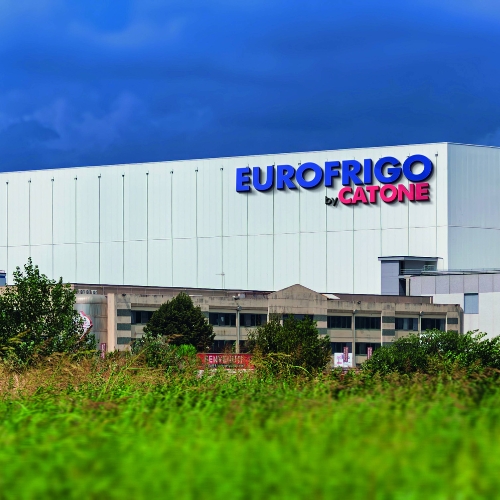
This is where Catone, part of the UniMaaS Pilot Cases, comes in.
Its strength lies in a well-structured operational ecosystem:
Operating in temperature-controlled logistics, Catone specializes in managing sensitive supply chains for perishable goods, an environment where even small inefficiencies can quickly become critical.
- Over 200 refrigerated vehicles, equipped with satellite tracking and thermal sensors
- Modern logistics hubs with advanced cold storage and optimized workflows
- A solid compliance framework, including HACCP, ISO 9001, ISO 14001, and BRC, ensuring quality, safety, traceability, and environmental responsibility
But Catone is more than infrastructure.
What really makes the difference is the continuous integration between warehouse and transport operations, supported by ongoing investments in people and technology.
Challenges as Opportunities
Through the UniMaaS project, Catone identified three key areas to improve
- Better synchronization between truck arrivals and warehouse capacity, to avoid congestion
- More accurate medium-term forecasting, to manage peaks and plan resources in advance
- Reliable ETA predictions, turning GPS data into actionable insights for delay management
These are not just issues, but real opportunities to evolve.
From Data to Decisions
UniMaaS supports this evolution by transforming data into practical tools:
- Forecasting demand up to 6 months ahead
- Supporting decisions on shifts and resource allocation
- Automating scheduling, reducing waiting times and manual effort

Project Status
The project has already completed the analysis and process design phases.
- Today: the architectural design is almost complete, with systems and integrations defined
- Next step: entering the implementation phase, where predictive models and a real-life demonstrator will be developed
Looking Ahead
The goal is clear: move from simply managing operations to anticipating and adapting to change.
Because in today’s complex supply chains, resilience is not a bonus, it’s a necessity.
